


Importance of Data Security in Mywellbeing Programs
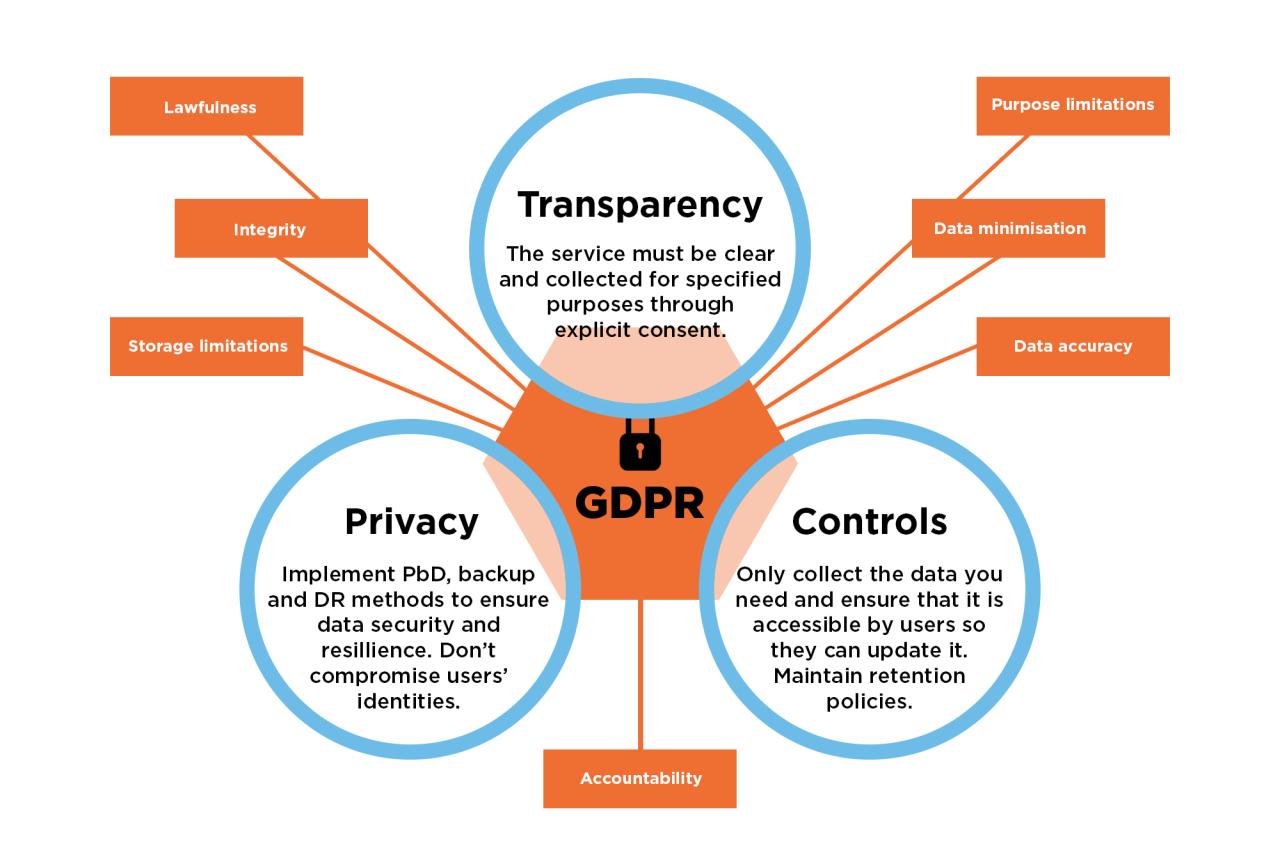
Data security is paramount in Mywellbeing programs as they involve handling sensitive personal information related to employees' health and well-being. Ensuring data security not only protects the privacy of individuals but also maintains trust in the program and the organization implementing it.
Risks of Compromised Data Security
- Unauthorized access to personal health information
- Data breaches leading to identity theft
- Misuse of health data for discriminatory purposes
Best Practices for Data Security
- Implement encryption for data transmission and storage
- Regularly update security protocols and software
- Limit access to sensitive data to authorized personnel only
- Provide training on data security practices for employees handling health information
- Conduct regular audits and risk assessments to identify vulnerabilities
Understanding GDPR Compliance
In the European Union, the General Data Protection Regulation (GDPR) is a crucial legal framework that governs the protection of personal data of individuals. For EU employers, compliance with GDPR is not just a legal requirement but also a means to ensure the privacy and security of employee data.
Key Requirements of GDPR for Data Security in Employee Wellness Programs
- Implementing Data Minimization: Employers must collect only necessary data for employee wellness programs and ensure that it is securely stored and processed.
- Ensuring Consent: Employees must provide explicit consent for the collection and processing of their personal data, including health-related information.
- Maintaining Data Security Measures: Employers are required to implement robust security measures to protect employee data from unauthorized access, disclosure, or misuse.
- Conducting Data Protection Impact Assessments (DPIAs): Employers must assess the potential risks to employee data and take appropriate measures to mitigate these risks.
Consequences of Non-Compliance with GDPR Regulations
Non-compliance with GDPR can have severe consequences for EU employers, including:
- Financial Penalties: Organizations that fail to comply with GDPR may face fines of up to €20 million or 4% of their annual global turnover, whichever is higher.
- Reputational Damage: Data breaches or non-compliance with GDPR can lead to reputational damage and loss of trust among employees and customers.
- Litigation Risks: Non-compliance with GDPR can result in legal actions, lawsuits, and compensation claims from affected individuals.
Tips for Ensuring Data Security in Mywellbeing Programs
In today's digital age, it is crucial for employers to prioritize data security, especially when it comes to Mywellbeing programs
Securely Storing and Transmitting Employee Data
When it comes to storing and transmitting employee data in Mywellbeing programs, encryption is key. Utilize strong encryption methods such as AES (Advanced Encryption Standard) or RSA (Rivest-Shamir-Adleman) to safeguard sensitive information. Ensure that data is encrypted both at rest and in transit to prevent unauthorized access.
Comparison of Different Encryption Methods
It is important to compare different encryption methods to determine the most suitable option for your Mywellbeing program. While AES is known for its speed and efficiency, RSA offers a higher level of security due to its use of public and private keys.
Consider the specific needs of your program and choose the encryption method that best aligns with those requirements.
Designing a Data Protection Policy
Develop a comprehensive data protection policy specific to Mywellbeing programs that aligns with GDPR guidelines. This policy should Artikel procedures for data collection, storage, and sharing, as well as protocols for handling data breaches. Regularly review and update the policy to ensure compliance with evolving data protection regulations.
Employee Awareness and Training
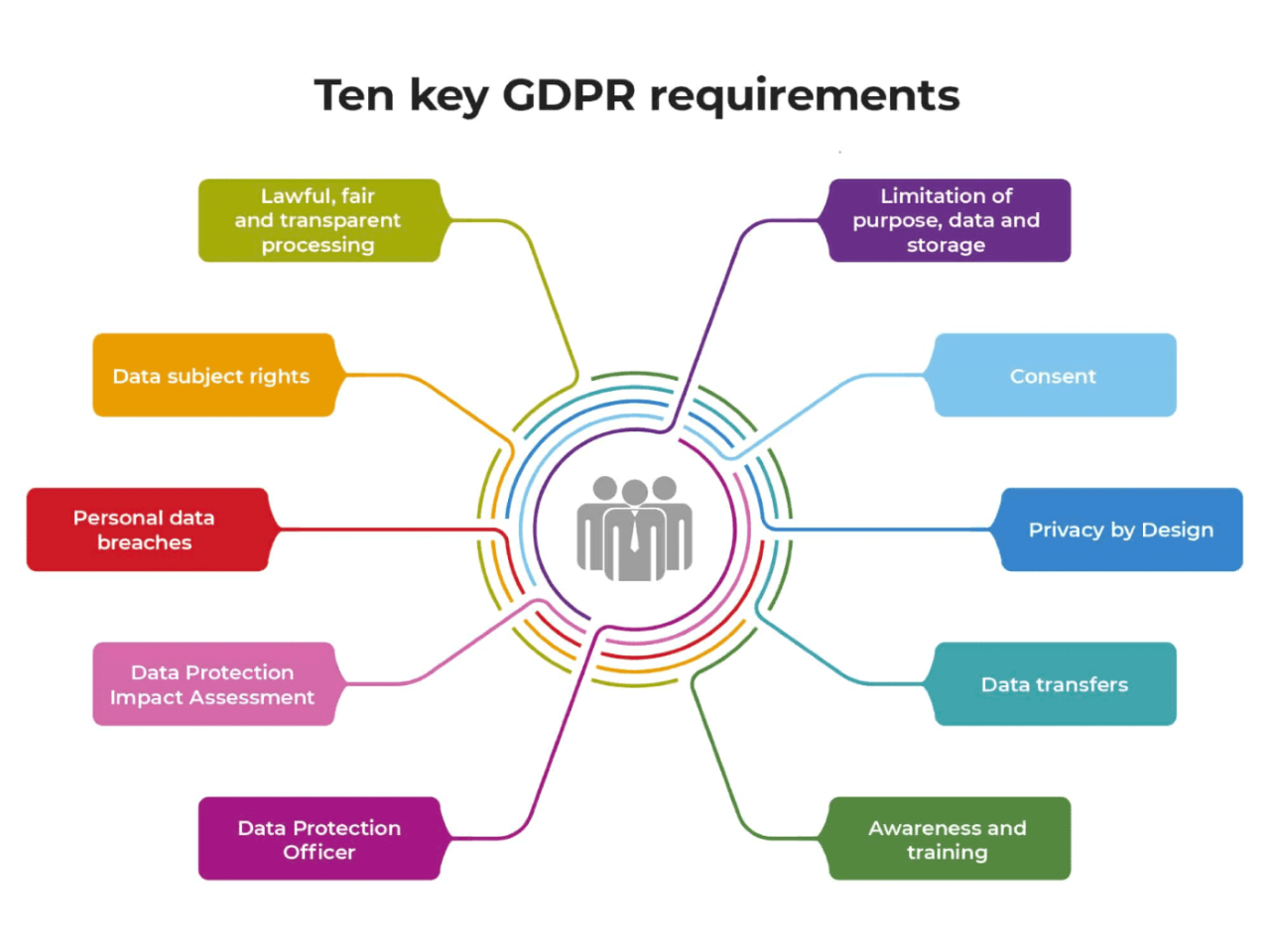
It is crucial to educate employees about data security risks to ensure the protection of sensitive information in Mywellbeing programs.
Raising Awareness through Training Programs
- Organize regular training sessions to inform employees about GDPR compliance requirements and the importance of data protection.
- Include real-life examples and case studies to illustrate the potential risks of data breaches and the impact on individuals and the organization.
- Encourage interactive sessions where employees can ask questions and discuss best practices for maintaining data security.
Guidelines for Maintaining Data Security
- Develop clear guidelines for employees to follow when handling data in Mywellbeing programs, emphasizing the importance of confidentiality and data protection.
- Provide step-by-step instructions on how to securely access and use the Mywellbeing platform, including password management and secure data transfer protocols.
- Regularly update employees on any changes to data security policies or procedures to ensure compliance with GDPR regulations.
FAQ Summary
How important is data security in Mywellbeing programs?
Data security is crucial in Mywellbeing programs to protect sensitive employee information and maintain trust.
What are the consequences of non-compliance with GDPR regulations?
Non-compliance with GDPR regulations can result in hefty fines and damage to the reputation of EU employers.
How can employees be educated about data security risks?
Employees can be educated through training programs that highlight the importance of data security and GDPR compliance.





![30 Unique Ways to Celebrate Employee Wellbeing Month [Calendar]](https://mentalhealth.radarbanten.co.id/wp-content/uploads/2026/06/juneemployeewellbeingmonthcalendar-160531161543-thumbnail-4-1-120x86.jpg)



![30 Unique Ways to Celebrate Employee Wellbeing Month [Calendar]](https://mentalhealth.radarbanten.co.id/wp-content/uploads/2026/06/juneemployeewellbeingmonthcalendar-160531161543-thumbnail-4-1-350x250.jpg)