


The Importance of Mental Health in the Workplace
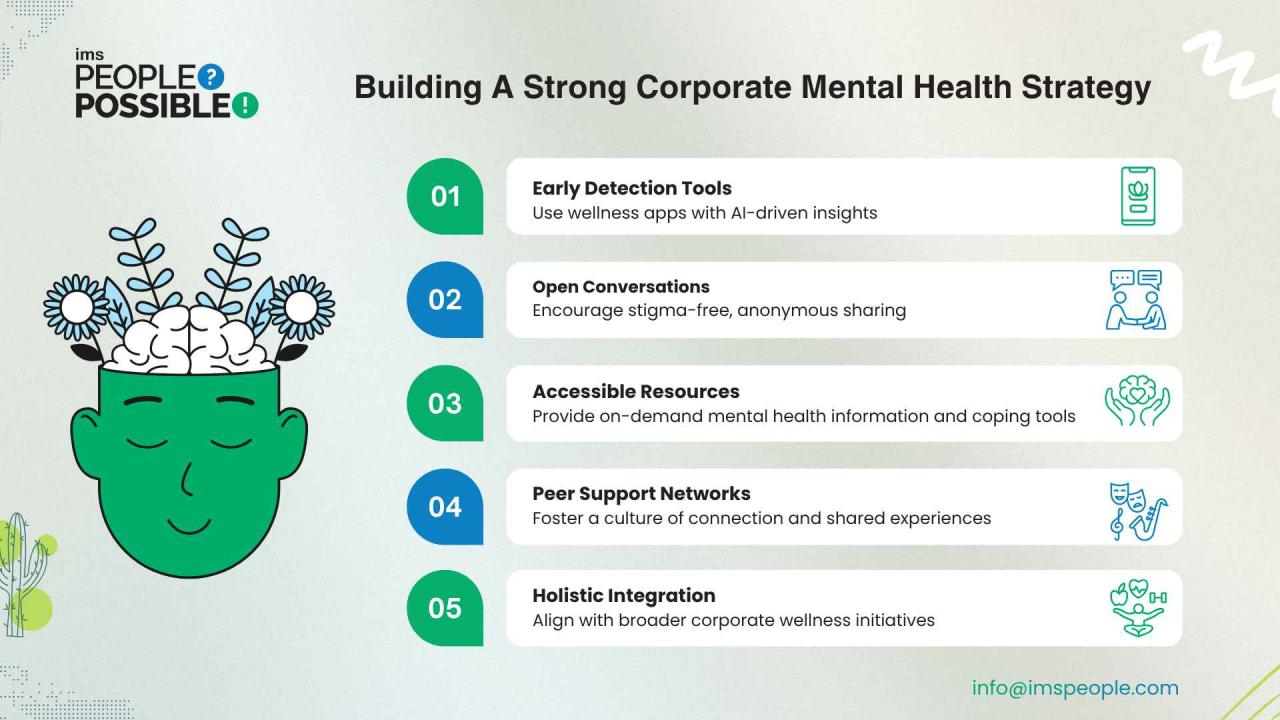
Mental health plays a crucial role in the overall well-being of employees in the workplace. It affects how they think, feel, and act, impacting their work performance and interactions with colleagues.
Impact on Employee Well-Being
Maintaining good mental health is essential for employees to feel motivated, engaged, and satisfied at work. When mental health is neglected, it can lead to stress, anxiety, and burnout, affecting job satisfaction and overall quality of life.
Relationship with Productivity
There is a direct correlation between mental health and productivity in the corporate setting. Employees with good mental health are more focused, creative, and efficient in their work tasks. Conversely, those struggling with mental health issues may experience difficulty concentrating, making decisions, and meeting deadlines.
Prevalence of Mental Health Issues
Research shows that mental health issues are prevalent in the workplace, with a significant percentage of employees reporting symptoms of stress, depression, and anxiety. According to the World Health Organization, depression and anxiety alone cost the global economy an estimated $1 trillion per year in lost productivity.
Supporting Employees' Mental Health
- Implementing mental health awareness programs and training for managers to identify and address mental health issues early.
- Providing access to confidential counseling services and resources for employees seeking help.
- Promoting a healthy work-life balance through flexible work arrangements and paid time off for self-care.
- Creating a supportive and inclusive work culture where employees feel comfortable discussing mental health concerns without fear of stigma or discrimination.
Implementing Corporate Health and Wellness Programs

Implementing a comprehensive corporate health and wellness program is crucial for ensuring the well-being of employees. Such programs typically include a variety of components aimed at promoting physical, mental, and emotional health in the workplace.
Components of a Comprehensive Corporate Health and Wellness Program
- Health Risk Assessments: Conducting assessments to identify potential health risks and tailor programs accordingly.
- Physical Wellness Initiatives: Offering fitness classes, gym memberships, or health challenges to encourage physical activity.
- Nutritional Support: Providing healthy meal options, nutrition education, and access to dietitians.
- Mental Health Resources: Offering counseling services, stress management workshops, and mindfulness training.
- Work-Life Balance Programs: Promoting flexible work arrangements, time off, and support for caregivers.
Integrating Mental Health Support into Wellness Initiatives
Companies can integrate mental health support into existing wellness initiatives by providing training for managers on mental health awareness, creating a stigma-free environment for open discussions, and offering confidential counseling services for employees.
Success Stories of Implementing Mental Health Programs
- Company X saw a 20% decrease in absenteeism and a 15% increase in productivity after implementing a mental health awareness campaign.
- Company Y reported higher employee satisfaction and retention rates following the introduction of mindfulness workshops and stress management programs.
Challenges in Implementing Mental Health Initiatives
- Stigma and Privacy Concerns: Employees may be hesitant to seek help due to fear of judgment or breaches of confidentiality.
- Resource Constraints: Limited budgets or lack of trained professionals can hinder the implementation of comprehensive mental health programs.
- Cultural Barriers: Different cultural perceptions of mental health may impact the acceptance and effectiveness of initiatives.
Addressing Stigma and Normalizing Mental Health Conversations
In corporate environments, there is often a stigma associated with mental health that prevents employees from openly discussing their struggles. This stigma can lead to feelings of shame, fear of judgment, and reluctance to seek help when needed. It is crucial for organizations to address this stigma and create a supportive environment where mental health conversations are normalized.
Promoting Open Discussions about Mental Health at Work
One strategy for promoting open discussions about mental health at work is to provide training and education on mental health awareness. By increasing employees' understanding of mental health issues, organizations can create a more supportive and empathetic workplace culture.
- Encourage open communication: Foster a culture where employees feel comfortable sharing their experiences and seeking help without fear of repercussions.
- Provide resources: Make mental health resources easily accessible to employees, such as counseling services, support groups, and employee assistance programs.
- Lead by example: Senior leaders should openly discuss mental health and prioritize employee well-being to set a positive tone for the organization.
Role of Leadership in Creating a Supportive Environment for Mental Health Conversations
Leadership plays a crucial role in creating a supportive environment for mental health conversations within the workplace. When leaders prioritize mental health and well-being, it sends a powerful message to employees that their mental health matters.
- Training for managers: Provide training for managers on how to support employees with mental health issues and create a safe space for open conversations.
- Policy development: Implement policies that support mental health, such as flexible work hours, mental health days, and mental health benefits.
- Check-ins: Encourage regular check-ins with employees to discuss their well-being and provide support when needed.
Initiatives to Reduce Stigma Around Mental Health in Workplaces
Several initiatives have been successful in reducing stigma around mental health in workplaces, creating a more inclusive and supportive environment for employees.
- Employee resource groups: Establish employee resource groups focused on mental health to provide support, education, and advocacy within the organization.
- Mental health awareness campaigns: Launch campaigns to raise awareness about mental health issues, reduce stigma, and promote open conversations.
- Training programs: Offer mental health training programs for employees to increase awareness, reduce stigma, and provide tools for supporting mental health in the workplace.
Training and Education on Mental Health Awareness

Providing mental health education to employees is crucial in creating a supportive and understanding work environment. By raising awareness about common mental health issues, organizations can help reduce stigma and encourage early intervention.
Designing a Training Program
- Include information on various mental health disorders such as anxiety, depression, and stress.
- Offer practical strategies for managing mental health at work.
- Provide resources for seeking help and support both within and outside the workplace.
Incorporating Mental Health Awareness into Onboarding
- Introduce mental health policies and resources during the orientation process.
- Offer training sessions on recognizing signs of mental health issues in oneself and others.
- Create a culture of openness and support from day one.
Resources for Mental Health Education
Employee Assistance Programs (EAPs) can offer confidential counseling and support services.
Online mental health platforms and courses can provide accessible information and tools for employees.
Collaborate with mental health professionals to conduct workshops and training sessions.
FAQ Resource
How can companies effectively support employees' mental health?
Companies can provide access to mental health resources, offer counseling services, and create a supportive work culture that encourages open discussions about mental health.
What are some successful approaches to integrating mental health support into existing wellness programs?
Successful approaches include mental health training for managers, implementing mental health days off, and offering flexible work arrangements to support employees' well-being.
How can leadership play a role in reducing stigma around mental health in the workplace?
Leadership can lead by example, participate in mental health initiatives, and openly discuss mental health to create a culture of acceptance and support.





![30 Unique Ways to Celebrate Employee Wellbeing Month [Calendar]](https://mentalhealth.radarbanten.co.id/wp-content/uploads/2026/06/juneemployeewellbeingmonthcalendar-160531161543-thumbnail-4-1-120x86.jpg)



![30 Unique Ways to Celebrate Employee Wellbeing Month [Calendar]](https://mentalhealth.radarbanten.co.id/wp-content/uploads/2026/06/juneemployeewellbeingmonthcalendar-160531161543-thumbnail-4-1-350x250.jpg)