


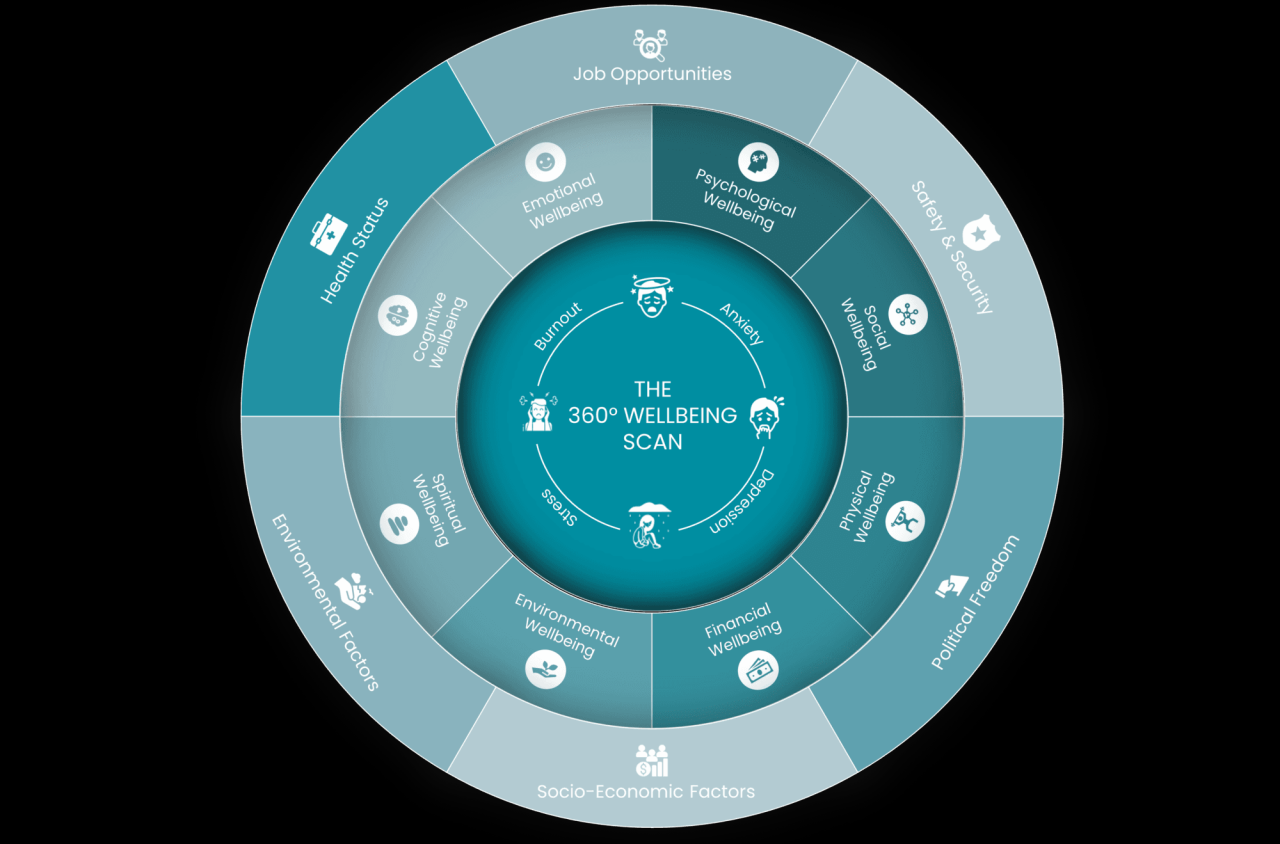
Importance of Scalable Mywellbeing Frameworks
Implementing scalable wellbeing frameworks in mid-sized organizations is crucial for fostering a healthy and productive work environment. These frameworks provide a structured approach to promoting employee wellbeing, which ultimately leads to increased job satisfaction, higher retention rates, and improved overall performance.
Benefits of Scalable Frameworks
- Enhanced Employee Engagement: By offering tailored wellbeing programs, employees are more likely to feel supported and engaged in their work.
- Improved Productivity: Healthy and happy employees are more productive, leading to better business outcomes for the organization.
- Reduced Absenteeism and Turnover: A focus on employee wellbeing can help reduce absenteeism and turnover rates, saving the organization time and resources.
Challenges in Adoption and Customization
- Resource Constraints: Mid-sized organizations may have limited resources to invest in developing and implementing scalable wellbeing frameworks.
- Cultural Fit: Customizing these frameworks to align with the organization's culture and values can be challenging and require careful planning.
- Measuring Impact: It can be difficult to measure the effectiveness of these frameworks and demonstrate the return on investment to key stakeholders.
Components of Mywellbeing Frameworks
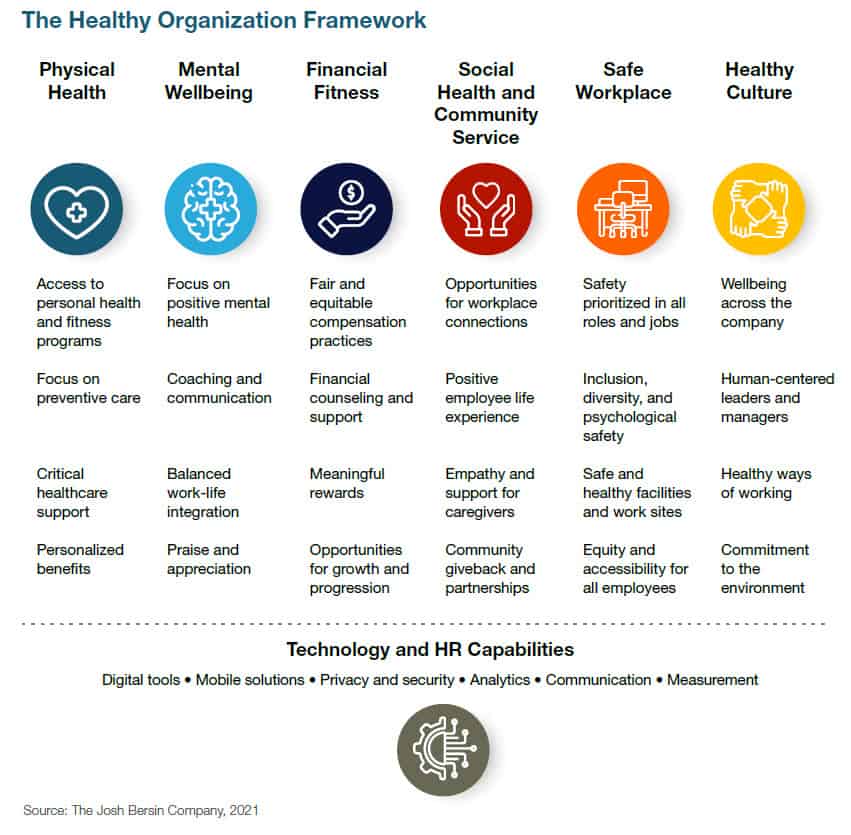
When designing a scalable mywellbeing framework for mid-sized organizations, it is essential to include key components that cater to the overall health and happiness of employees. These components play a crucial role in creating a supportive and engaging work environment.
Mental Health Support
- Example: Offering employee assistance programs (EAPs) that provide confidential counseling services to employees facing personal or work-related challenges.
Mental health support is a vital component of any mywellbeing framework as it addresses the emotional well-being of employees. This can include access to counseling services, mental health awareness programs, and resources for managing stress and anxiety.
Physical Wellness Initiatives
- Example: Implementing on-site fitness facilities or organizing group exercise classes to encourage employees to stay active during the workday.
Physical wellness initiatives promote healthy lifestyles and encourage employees to prioritize their physical health. These initiatives can include fitness classes, health screenings, and wellness challenges to motivate employees to stay active and make healthier choices.
Work-Life Balance Programs
- Example: Offering telecommuting options or flexible work hours to accommodate employees' personal commitments and preferences.
Work-life balance programs are designed to help employees manage their professional responsibilities while also making time for personal activities and relationships. These programs can include flexible work schedules, remote work options, and paid time off policies that support a healthy work-life balance.
Designing Customized Wellbeing Solutions
When it comes to designing customized wellbeing solutions for mid-sized organizations, it is essential to tailor these programs to meet the unique needs of the employees. By understanding the current state of employee wellbeing and collaborating with stakeholders, organizations can create effective programs that promote a healthy work environment.
Assessing Employee Wellbeing
- Conduct surveys and assessments to gather data on the current state of employee wellbeing.
- Review absenteeism rates, turnover rates, and employee feedback to identify areas of improvement.
- Utilize data analytics tools to track key metrics related to wellbeing and employee satisfaction.
Collaborating with Employees and Stakeholders
- Involve employees in the design process to ensure that the programs meet their needs and preferences.
- Hold focus groups and workshops to gather input and ideas from employees on what wellbeing initiatives would be most beneficial.
- Engage with stakeholders, such as HR professionals and managers, to ensure buy-in and support for the wellbeing programs.
Implementing and Evaluating Wellbeing Frameworks
Implementing a scalable mywellbeing framework in a mid-sized organization requires a structured approach to ensure successful integration and adoption. Regular evaluations and adjustments are crucial to maintain the effectiveness of the framework and meet the evolving needs of employees. Metrics and key performance indicators play a vital role in measuring the impact of wellbeing initiatives and identifying areas for improvement.
Step-by-Step Process for Implementation
- Evaluate Current Wellbeing Status: Conduct a comprehensive assessment of the organization's current wellbeing status to identify strengths, weaknesses, and areas for improvement.
- Develop a Customized Framework: Design a tailored wellbeing framework that aligns with the organization's goals, values, and employee needs.
- Communicate and Educate: Communicate the framework to all employees, provide training on its components, and promote awareness of the benefits of prioritizing wellbeing.
- Implement Wellbeing Initiatives: Roll out the framework gradually, starting with small initiatives and gradually scaling up based on feedback and results.
- Monitor and Evaluate: Continuously monitor the impact of wellbeing initiatives, gather feedback from employees, and evaluate the effectiveness of the framework.
Importance of Regular Evaluations
Regular evaluations are essential to track the progress of the wellbeing framework, identify areas of improvement, and make necessary adjustments to enhance its effectiveness. By conducting regular evaluations, organizations can ensure that the framework remains relevant, impactful, and aligned with the changing needs of employees.
Metrics and Key Performance Indicators
- Employee Engagement: Measure employee participation in wellbeing activities, feedback, and overall satisfaction with the framework.
- Health and Wellness Outcomes: Track changes in key health indicators, such as stress levels, absenteeism rates, and overall wellbeing improvements.
- Productivity and Performance: Assess the impact of wellbeing initiatives on employee productivity, performance, and job satisfaction.
- Cost Savings: Calculate the cost savings related to reduced healthcare expenses, lower turnover rates, and increased employee retention due to the wellbeing framework.
FAQ Overview
What are the key components of Scalable Mywellbeing Frameworks?
Key components include mental health support, physical wellness initiatives, and work-life balance programs tailored to mid-sized organizations.
How can organizations effectively implement these frameworks?
Organizations can follow a step-by-step process for implementation, ensuring regular evaluations and adjustments for optimal effectiveness.





![30 Unique Ways to Celebrate Employee Wellbeing Month [Calendar]](https://mentalhealth.radarbanten.co.id/wp-content/uploads/2026/06/juneemployeewellbeingmonthcalendar-160531161543-thumbnail-4-1-120x86.jpg)



![30 Unique Ways to Celebrate Employee Wellbeing Month [Calendar]](https://mentalhealth.radarbanten.co.id/wp-content/uploads/2026/06/juneemployeewellbeingmonthcalendar-160531161543-thumbnail-4-1-350x250.jpg)