


Understanding Stress at the C-Suite Level
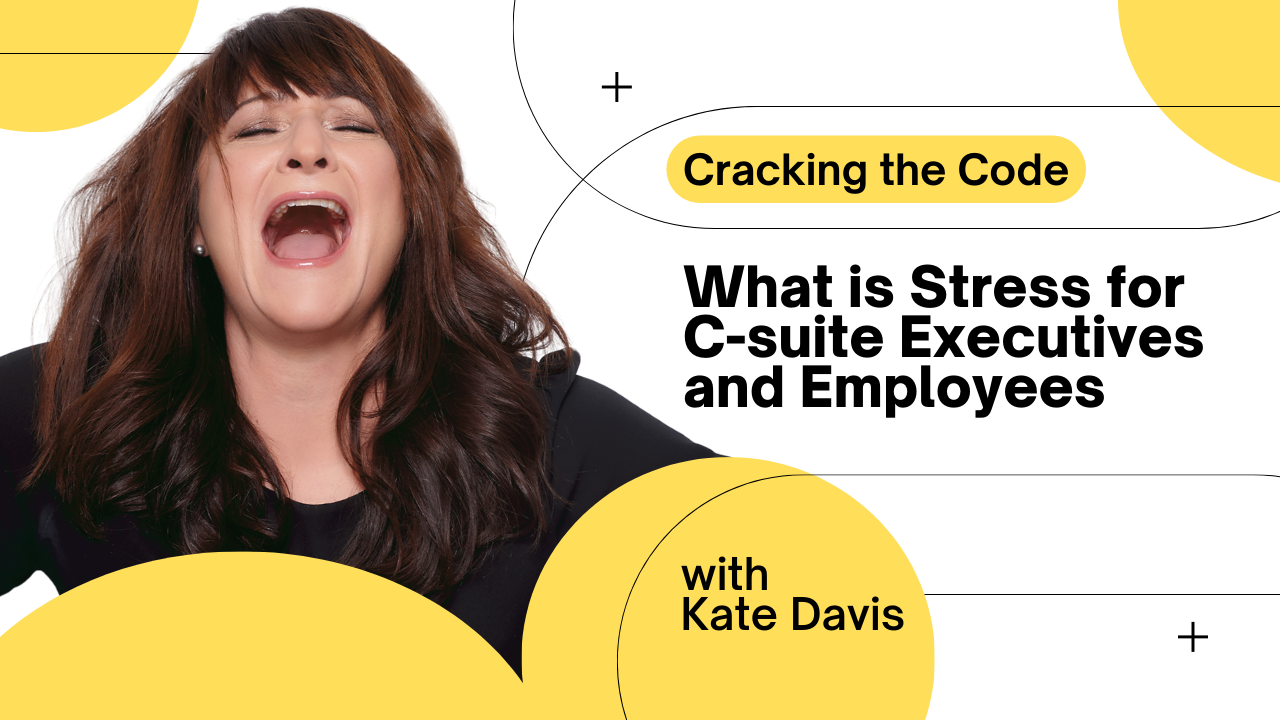
Executives in the C-Suite face unique stressors that can significantly impact their decision-making processes and daily routines.
Unique Stressors Faced by C-Suite Executives
- The pressure to meet quarterly goals and deliver results can create a high-stress environment for C-Suite executives.
- Balancing the demands of shareholders, employees, and other stakeholders while maintaining a competitive edge in the market adds to the stress load.
- The responsibility for making critical decisions that can have far-reaching consequences for the company's success or failure can be overwhelming.
Impact of Stress on Decision-Making Processes
- High levels of stress can cloud judgment and lead to impulsive decision-making, potentially risking the company's stability.
- Stress can hinder creativity and innovation, limiting the ability of executives to come up with strategic solutions to complex problems.
- Chronic stress can also lead to burnout, affecting the overall well-being and performance of C-Suite executives.
Manifestation of Stress in Daily Routines
- Insomnia or disrupted sleep patterns due to constant worry and anxiety about work-related matters.
- Increased irritability or mood swings when under pressure to meet tight deadlines or resolve conflicts within the organization.
- Physical symptoms such as headaches, muscle tension, or gastrointestinal issues as a result of prolonged stress and tension.
Strategies for Managing Stress
High-level executives face unique challenges that can lead to high levels of stress. It is crucial for them to implement effective stress management techniques to maintain their well-being and performance.
Importance of Work-Life Balance
Work-life balance plays a critical role in reducing stress for C-Suite professionals. By setting boundaries between work and personal life, executives can prevent burnout and improve their overall quality of life.
Case Studies of Successful Stress Management Initiatives
- One successful initiative implemented by a CEO involved promoting a culture of open communication and support within the organization. This helped employees feel heard and valued, reducing overall stress levels.
- Another executive found success in incorporating mindfulness practices into their daily routine. By practicing mindfulness meditation and breathing exercises, they were able to increase their focus and reduce stress levels.
- A CFO implemented regular exercise and healthy eating habits as part of their stress management strategy. Physical activity and a balanced diet helped them maintain their energy levels and cope with the demands of their role.
Building Resilience in C-Suite Executives
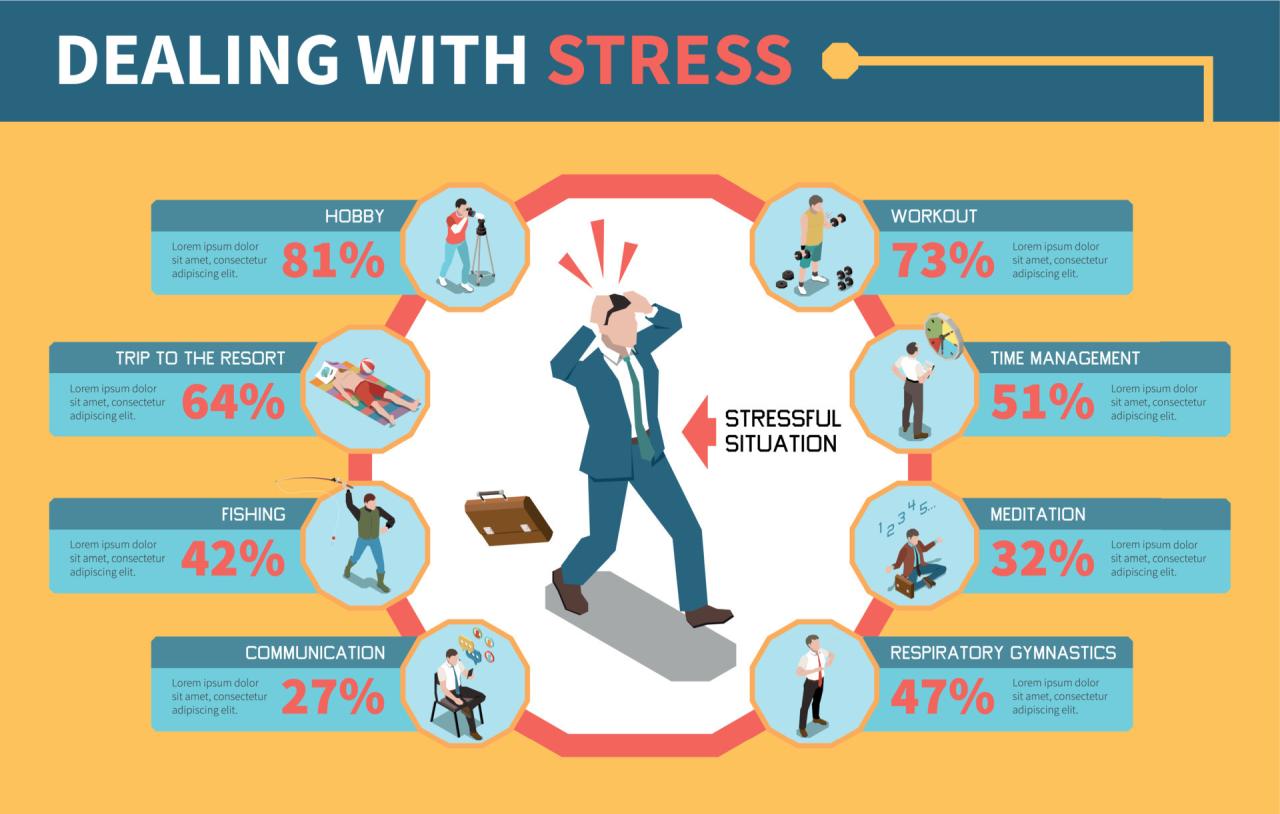
Building resilience in C-Suite executives is crucial for their ability to navigate high-stress environments effectively. Resilience allows leaders to bounce back from setbacks, adapt to change, and maintain a sense of well-being even in challenging situations. Cultivating resilience is a continuous process that requires self-awareness, emotional intelligence, and the development of coping strategies.
Role of Emotional Intelligence
Emotional intelligence plays a significant role in building resilience at the executive level. Executives with high emotional intelligence are better equipped to manage their emotions, understand the emotions of others, and navigate interpersonal relationships effectively
- Emotional self-awareness: Understanding one's own emotions and how they impact thoughts and behaviors is essential for building resilience. Executives who are in tune with their emotions can effectively manage stress and prevent it from escalating.
- Empathy: Empathy allows C-Suite leaders to connect with their teams on a deeper level, fostering trust and collaboration. By empathizing with others, executives can build stronger relationships and create a supportive work environment that promotes resilience.
- Adaptability: Being adaptable in the face of challenges is key to building resilience. Executives who can quickly adjust to changing circumstances and remain flexible in their approach are better equipped to overcome obstacles and thrive in high-pressure environments.
Tips for Developing a Resilient Mindset
Developing a resilient mindset is essential for C-Suite executives to thrive in demanding corporate environments. Here are some tips to help leaders cultivate resilience:
- Practice self-care: Prioritize self-care activities such as exercise, meditation, and adequate sleep to recharge and reduce stress levels.
- Seek support: Build a strong support network of trusted colleagues, mentors, or coaches who can provide guidance and encouragement during challenging times.
- Embrace failure: View setbacks as opportunities for growth and learning rather than insurmountable obstacles. Embracing failure can help executives develop resilience and perseverance.
- Stay positive: Maintain a positive outlook and focus on solutions rather than dwelling on problems. Optimism can help C-Suite leaders navigate adversity with resilience and determination.
Wellness Programs for C-Suite Executives
Implementing wellness programs tailored specifically for C-Suite executives is vital in addressing the unique stressors and demands they face in their roles. These programs are designed to promote holistic well-being and support top executives in maintaining their physical, mental, and emotional health.
Design and Implementation of Wellness Programs
Wellness programs for C-Suite executives should be comprehensive, personalized, and easily accessible. They may include initiatives such as executive health screenings, mental health resources, fitness programs, mindfulness training, nutrition counseling, and stress management workshops. These programs should be integrated into the corporate culture and actively promoted by senior leadership.
Benefits of Incorporating Wellness Initiatives
- Improved Executive Performance: Wellness programs can enhance focus, productivity, and decision-making abilities among top executives.
- Enhanced Employee Engagement: By prioritizing wellness, C-Suite executives set a positive example for the entire organization, leading to increased employee engagement and morale.
- Reduced Burnout and Turnover: Investing in executive well-being can help prevent burnout, reduce turnover rates, and ensure continuity in leadership roles.
Examples of Successful Wellness Programs
- Company-Sponsored Retreats: Organizing wellness retreats for C-Suite executives to unwind, recharge, and connect with nature.
- Executive Coaching Programs: Providing one-on-one coaching sessions to support executives in managing stress, setting goals, and maintaining work-life balance.
- On-Site Fitness Centers: Establishing on-site fitness centers with personal trainers and wellness classes to promote physical activity and stress relief.
Popular Questions
What are some unique stressors faced by C-Suite executives?
C-Suite executives often deal with intense pressure to deliver results, make critical decisions, and navigate complex relationships, all while maintaining a public-facing image of confidence and competence.
How can emotional intelligence help build resilience in C-Suite leaders?
Emotional intelligence enables C-Suite leaders to understand and manage their own emotions effectively, navigate interpersonal dynamics with empathy, and make sound decisions under pressure, all of which are essential for developing resilience in high-stakes environments.
What role does work-life balance play in reducing stress for C-Suite professionals?
Maintaining a healthy work-life balance allows C-Suite professionals to recharge, manage their energy levels effectively, and prevent burnout, ultimately enhancing their ability to handle stress and perform at their best in leadership roles.





![30 Unique Ways to Celebrate Employee Wellbeing Month [Calendar]](https://mentalhealth.radarbanten.co.id/wp-content/uploads/2026/06/juneemployeewellbeingmonthcalendar-160531161543-thumbnail-4-1-120x86.jpg)



![30 Unique Ways to Celebrate Employee Wellbeing Month [Calendar]](https://mentalhealth.radarbanten.co.id/wp-content/uploads/2026/06/juneemployeewellbeingmonthcalendar-160531161543-thumbnail-4-1-350x250.jpg)